Information About Alevism
Information About Alevism
Alevism is a mystical and Sufi interpretation of Islam adopted by communities living in Anatolia, the Balkans, the Middle East, and various other regions. Its roots are based on the love for Imam Ali and the Ahl al-Bayt (the Household of the Prophet). Alevism possesses a human-centered philosophy of life and exalts universal values such as love, tolerance, justice, equality, and the love of nature. Here is the fundamental information to know about Alevism:
The Origins of Alevism
- Love for Imam Ali and the Ahl al-Bayt: Alevism is shaped by a deep love and respect for Imam Ali. Devotion to the innocence and justice of the Ahl al-Bayt is one of the core elements of the Alevi faith.
- The Event of Karbala: The massacre of Imam Husayn and his family by Yazid’s army in Karbala in the year 680 holds a central place in the Alevi world of belief. This event is commemorated as a symbol of the struggle for justice by the oppressed.
- The Tradition of Sufism and Irfan (Gnosis): Alevism is a faith that carries the influence of Sufism. The concept of becoming Insan-i Kamil (the Perfect Human) and the spiritual journey are fundamental concepts of Alevism.
The Belief System of Alevism
- The Path of Hakk-Muhammed-Ali: One of the most fundamental belief elements of Alevism is the Hakk-Muhammed-Ali trinity. This expresses the absolute unity of God (Hakk), the prophethood of Muhammad, and the guidance of Imam Ali.
- Belief in the Twelve Imams: Similar to the Shiite tradition, the Twelve Imams hold an important place in Alevism. This chain of Imams, beginning with Imam Ali, consists of holy figures descended from Imam Husayn.
- Insan-i Kamil (The Perfect Human): For Alevis, the human being is the essence of the universe and a reflection of God (Hakk). The journey to becoming a “perfect human” is one of the spiritual goals of Alevism.
- Belief in the Afterlife: In Alevism, the belief in the afterlife is interpreted symbolically. A person can experience a spiritual heaven through the good deeds they perform in this world or feel hell through their evil actions.
Alevi Worship and Rituals
- Cem: In Alevism, the Cem is a form of communal worship. It takes place under the leadership of a Dede or Pir, emphasizing values such as peace, solidarity, and sharing. During the Cem, the Semah is performed, Lokma (sacred food) is shared, and social issues are discussed.
- The Twelve Services (On İki Hizmet): These services performed during the Cem are a reflection of social order. They include roles such as the Zakir (the one who plays the saz), the Çerağcı (the one who lights the candles), and the Süpürgeci (the one who sweeps).
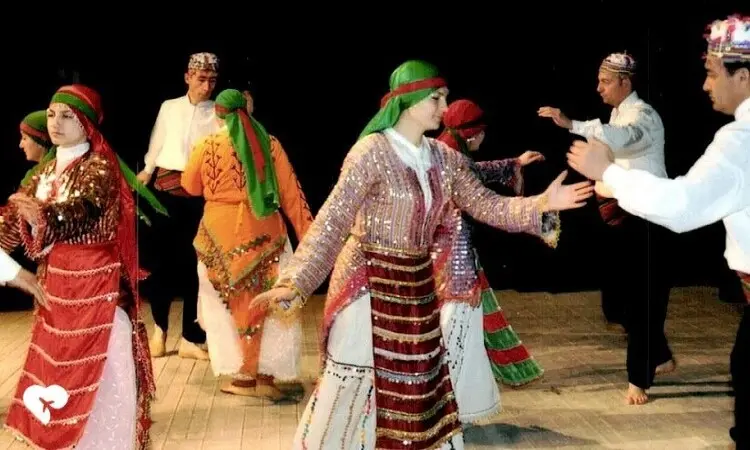
- Semah: A spiritual dance performed to music, the Semah symbolizes the spiritual journey toward God.
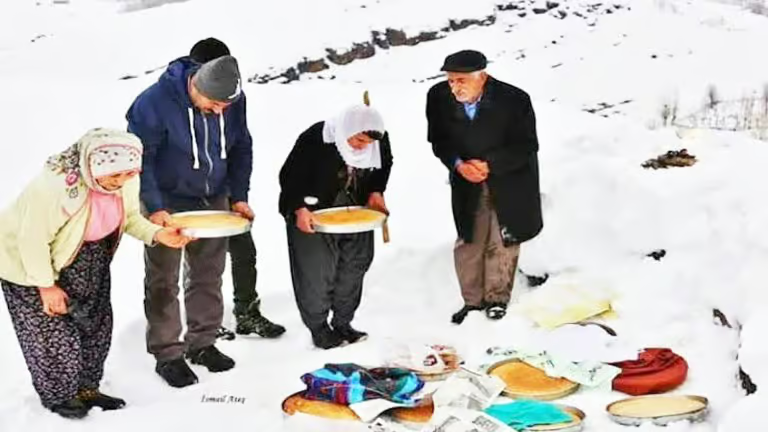
- Sharing Lokma: Lokma is sacred to Alevis and is shared within the community. This is an indicator of unity and abundance.
- Mourning and Fasts:
- The Muharrem Fast: Observed to commemorate the martyrs of Karbala.
- The Hızır Fast: Observed to remember Hızır’s (Khidr) assistance to humanity.
Core Concepts in Alevism
- Four Gates and Forty Stations (Dört Kapı Kırk Makam): There are four stages of the spiritual journey in Alevism:
- The Gate of Sharia: Following religious rules.
- The Gate of Tariqa (The Path): Beginning the spiritual journey.
- The Gate of Marifa (Wisdom): Gaining spiritual knowledge.
- The Gate of Haqiqa (Truth): Reaching God (Hakk).
- Rızalık (Consent): Providing peace and reconciliation among individuals and obtaining mutual consent is of great importance in Alevi communities.
- İkrar (The Oath): The promise and oath of loyalty given by a person entering the Alevi path.
The Place of Women in Alevism
In Alevism, women and men are equal. Women actively participate in Cem ceremonies and play an equal role in social life. This understanding of equality reflects the unique structure of Alevism.
Alevism and the Love of Nature
In Alevism, nature is seen as a reflection of God. Elements such as water, earth, fire, and air are considered sacred. Protecting nature is regarded as a part of worship.
Art and Music in Alevism
Music and poetry are inseparable parts of Alevi worship and culture. Zakirs sing deyiş (sacred songs) and nefes (hymns) accompanied by the saz (a stringed instrument). These works describe the values of the Alevi faith and historical events.
Oppression and Struggle in Alevism
Throughout history, Alevis have been subjected to discrimination and oppression. During the Ottoman period, Sunni Islam was adopted as the official religion, and Alevis were sometimes forced to conduct their worship in secrecy. During the Republican era, Alevis have continued their struggle for equal rights.
The Current Status of Alevism
Today, Alevis strive for better recognition of their faith and for the acceptance of Cemevis as official places of worship. Alevism maintains its importance today through its messages based on peace, brotherhood, and love.
Summary
Alevism is a faith and way of life that centers on the human being and is based on love, justice, tolerance, and the love of nature. With its historical roots, spiritual teachings, and rich cultural heritage, Alevism is one of Anatolia’s deepest spiritual traditions. This faith carries a universal message aimed not only at an individual journey but also at social peace and solidarity.