The Fast of Hızır (Hızır Orucu)
The Fast of Hızır (Hızır Orucu)
The Fast of Hızır is an ancient ritual that holds a very significant place in Anatolian and Mesopotamian cultures, particularly within the Alevi faith. Directly aligned with the life philosophy of figures like Elif Ana (centered on kindness and helping those in distress), this fast is not merely about abstaining from food, but is a period of spiritual purification and solidarity.
Here is the essential information about the Fast of Hızır:
1. When is it Observed?
The Fast of Hızır is generally observed in the second week of February according to the Gregorian calendar. These fasts are kept for either 3 or 7 days during this period.
2. Who is Hızır?
According to belief, Hızır is a wise, luminous figure who drank the “Water of Immortality” (Ab-ı Hayat), rides a gray horse, and rushes to the aid of those in distress. Idioms such as “May Hızır’s hand touch yours” and “Hızır does not arrive until the servant is in dire straits” reflect the presence of this belief in daily life. Hızır is a symbol of abundance, prosperity, and peace.
3. Meaning and Purpose of the Fast
- Companionship for the Distressed: It is observed in February, a time when harsh winter conditions prevail and both nature and humans are often in a state of hardship.
- Gratitude and Vows: It is kept to fulfill a promise (vow) or to seek help from God (the Truth/Hak) to be delivered from a problem.
- Spiritual Cleansing: The essence is for the individual to discipline their ego (nafs) and stay away from gossip, malicious words, and forbidden acts (haram).
4. How is the Ritual Performed?
- The Fast: For three days, nothing is eaten or drunk from dawn until sunset.
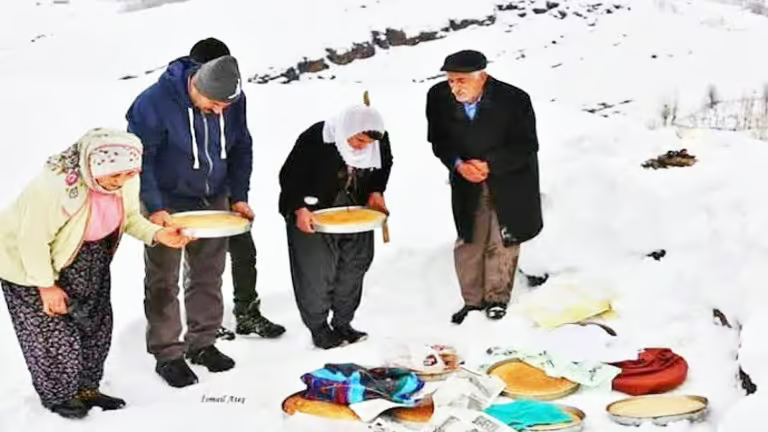
- Hızır Lokması / Kovut: On the final day (Thursday evening or Friday), a special food is prepared. In some regions, this is called “Kovut” (a type of halva made from roasted and ground wheat). These “lokmas” (sacred food offerings) are shared with neighbors and the poor.
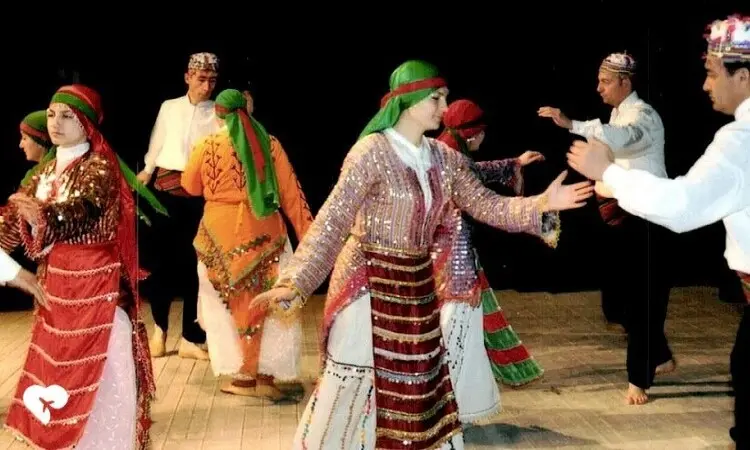
- Cem Ceremony: On Thursday evening (Friday night in the traditional calendar), a “Hızır Cemi” is held in Cemevis. Spiritual songs (deyişler) are sung, the Semah ritual is performed, and communal conversations are held to ensure unity.
5. Traditions and Beliefs
- Dreams and Destiny: Unmarried young people go to sleep without drinking water on the last night of the fast. It is believed that the person who gives them water in their dream will be their future spouse.
- Waiting for Hızır: During the fasting period, doors are kept open for guests. This is because it is believed Hızır might arrive in the guise of a “strange traveler” and bring blessings to the table.
“May the offerings of those who keep the Fast of Hızır be accepted, and may Hızır be the helper of all those in distress.”